


01 set What Exactly Is Online Gambling and How Does It Work?
Your Guide to Safe and Fun Online Gambling in 2025
Online gambling is the act of wagering real money on games of chance or skill through internet-based platforms, and it transforms any device with a connection into a portal to instant excitement. By placing bets on virtual slots, live dealer tables, or sports outcomes, you gain direct access to a world where every click carries the thrill of potential reward. The true value lies in its unmatched convenience and immediacy, letting you chase big wins from your sofa, your commute, or your lunch break with zero travel required. Your next life-changing payout is never more than a single wager away, and the adrenaline of real-time play is always at your fingertips.
What Exactly Is Online Gambling and How Does It Work?
Online gambling is the act of wagering real money on games of chance or skill through a digital platform—typically a website or mobile app—that connects you directly to a virtual casino, sportsbook, or poker room. You start by creating an account, depositing funds via card, e-wallet, or crypto, and then you place bets using that balance. The core mechanics rely on a **Random gamblingsites.org Number Generator (RNG)** for games like slots or roulette, ensuring each outcome is independent and unpredictable, while live dealer games stream real-time video from a physical table, letting you interact with a human croupier through chat. Your winnings are credited instantly to your account, which you can withdraw anytime, subject to verification.
The entire process—from bet placement to payout—happens in seconds, but the house edge is mathematically built into every game, so the thrill comes with a statistical disadvantage you must respect.
Crucially, the platform never handles physical chips; all value exists as digital tokens, making the speed and accessibility unprecedented compared to a brick-and-mortar venue.
Understanding the Core Mechanics Behind Virtual Casinos and Betting Sites
To get the hang of online gambling, you need to see how the digital rooms are built. The core mechanics behind virtual casinos rely on a Random Number Generator (RNG) that spits out thousands of results per second, ensuring each spin or card deal is independent. Betting sites work differently—they use a live odds feed that updates in real-time based on actual market movement, not a fixed algorithm. Your money gets converted into site credits, and every wager triggers a transaction log. Here’s the simple flow: game selection, stake placement, outcome generation, and instant payout calculation. The house edge is baked directly into the payout tables, so the math never sleeps, even when you do.
Key Differences Between Playing Digitally and Visiting a Physical Venue
The primary distinction lies in **atmosphere versus convenience**. In a physical venue, your pace is dictated by dealers, other players, and table limits, creating a pressured but social rhythm. Digitally, you control speed entirely, folding or betting with a click, with no social cues to read or misinterpret. However, this speed removes the tactile feedback of chips and cards, which can alter risk perception. Without physical cues, losses often feel more abstract, potentially encouraging faster re-betting. Venues force travel time and dress codes, acting as natural barriers, while digital platforms offer instant access, making it easier to lose track of time. The table’s minimum bet is visible in person, whereas online, side bets and turbo modes push higher risk options immediately.
- Physical venues enforce a shared pace; digital play is fully self-paced.
- In-person losses feel tangible via chips; online losses are just numbers on a screen.
- Venue trips require effort and planning, whereas digital play starts within seconds.
How Random Number Generators Ensure Fair Play in Every Hand or Spin
At the heart of every online slot spin or digital card game is a certified random number generator, which works like an ultra-fast, invisible dice roller that never sleeps. This software constantly produces thousands of numbers per second, even when you’re not playing, so the exact moment you hit “spin” simply captures a snapshot of that chaotic stream. That snapshot determines the symbols you see or the cards you’re dealt, making each result completely independent from the last. To keep things honest, independent labs test these generators for patterns or biases, ensuring no player or casino can predict what comes next. The true magic lies in the fact that neither the house nor you can influence the outcome—it’s pure, mathematical chance. Even a streak of wins or losses never changes the underlying odds of your next hand. Just remember:
- The generator runs continuously, not just during your play.
- Each result is pulled from a fresh, untracked sequence.
- Audits verify the randomness stays truly unpredictable.
That’s why every shuffle or spin feels fair—because, digitally, it absolutely is.
How to Get Started: Setting Up Your Account and First Deposit
You find the site, and the first hurdle is the registration form—usually just an email, a username, and a password, but keep your phone nearby because most platforms send a verification code. Once the account is live, the real step is the initial deposit; head to the cashier, pick a method like a debit card or e-wallet, and enter the minimum amount, often $10. The key is to treat your first deposit as a test of the platform’s payout speed, so deposit only what you can spare and watch how fast the funds hit your balance.
Before you type your card number, make sure the site uses two-factor authentication for withdrawals—that small setup later saves you from lockouts.
Start with a casual $20, play a low-stakes slot, and confirm your transaction history logs each cent—that’s your real onboarding.
Step-by-Step Guide to Registration, Verification, and Funding Your Wallet
Begin by locating the **secure registration form** on the casino’s homepage, entering your email, a strong password, and selecting your preferred currency. Next, complete identity verification by uploading a government-issued ID and a recent utility bill through the “KYC” section—this usually takes 24 hours. Once verified, navigate to the cashier, choose a payment method (card, e-wallet, or bank transfer), and enter the minimum deposit amount. Confirm the transaction, then check your balance updates instantly. For withdrawals, ensure your wallet address matches your verified name to avoid delays.
- Use a unique password and enable two-factor authentication during registration.
- Verify your phone number with an SMS code to speed up the account activation.
- Select a deposit bonus code, if applicable, before finalizing your first payment.
- Keep your verification documents in PNG or JPEG format under 5MB for faster approval.
Choosing the Right Payment Method for Quick Deposits and Withdrawals
When prioritizing rapid casino payouts, your deposit choice dictates your withdrawal speed, so verify the method’s processing times before funding. E-wallets like Skrill or PayPal typically clear withdrawals in under 12 hours, while bank transfers can take 3–5 business days. Check if the casino charges a fee for instant methods, as this offsets speed. Follow this sequence: first, confirm the method supports both deposits and withdrawals; second, review the minimum and maximum limits; third, test with a small amount to gauge actual settlement speed. For absolute immediacy, prepaid cards and certain e-wallets enable same-day cash-outs, but always confirm the casino’s pending period—this is the critical bottleneck for fast access to your winnings.
Understanding Welcome Bonuses, Free Spins, and Wagering Requirements
Before celebrating your first deposit match, decode the fine print behind wagering requirements for bonus funds. A 100% match with a 35x playthrough means you must wager your deposit plus bonus thirty-five times before withdrawing winnings. Free spins often carry their own caps—typically capping winnings at $50 or forcing you to use them on a specific slot. Check whether games contribute equally; table games might count only 10% toward the requirement. Time limits add pressure, usually 7–30 days. Strategically, prioritize bonuses with lower rollover and realistic game restrictions, so your initial bankroll transforms into withdrawable cash rather than a locked-in loop.
Exploring the Most Popular Games and Betting Options Available
You slide into a live casino lobby, and the first thing you notice is how the tables breathe—roulette wheels spinning in crisp HD, blackjack felt stretched under a dealer’s steady hands. Most players start with slots, drawn to their instant spins and bonus rounds, but the real depth lies in betting options like over/under totals on live baccarat or the exact score on virtual football. Poker rooms let you sit at a cash table or join a tournament, while sportsbooks offer prop bets on anything from tennis set winners to cricket’s next boundary. *Which game gives beginners the best shot?* Blackjack, because its low house edge and simple hit/stand choices reward quick learning. As you toggle between crash games with their multiplier ladders and dice games with adjustable win chances, you realize the thrill isn’t just winning—it’s choosing your own risk curve. That choice is the real currency here. You leave a session having tried five games, each teaching you something about timing and your own nerve.
Slots, Blackjack, Roulette, and Poker: Which One Suits Your Style?
Choosing between slots, blackjack, roulette, and poker really comes down to how you like to think and win. If you want pure relaxation with zero pressure, slots are your best bet for casual online gambling—just spin and watch the reels. Blackjack suits strategists who enjoy fast decisions and beating the dealer with basic math. Roulette is perfect for social players who love tension and simple bets like red or black, without deep rules. Poker, however, demands patience and reading opponents, even in online rooms. Your ideal game matches your mood, not just your skill level.

- Pick slots for instant fun and low effort.
- Choose blackjack if you prefer calculated risks.
- Try roulette for pure chance with visual drama.
- Go with poker when you want long-term mental challenges.
Live Dealer Sessions: Playing Real-Time Games with Human Croupiers
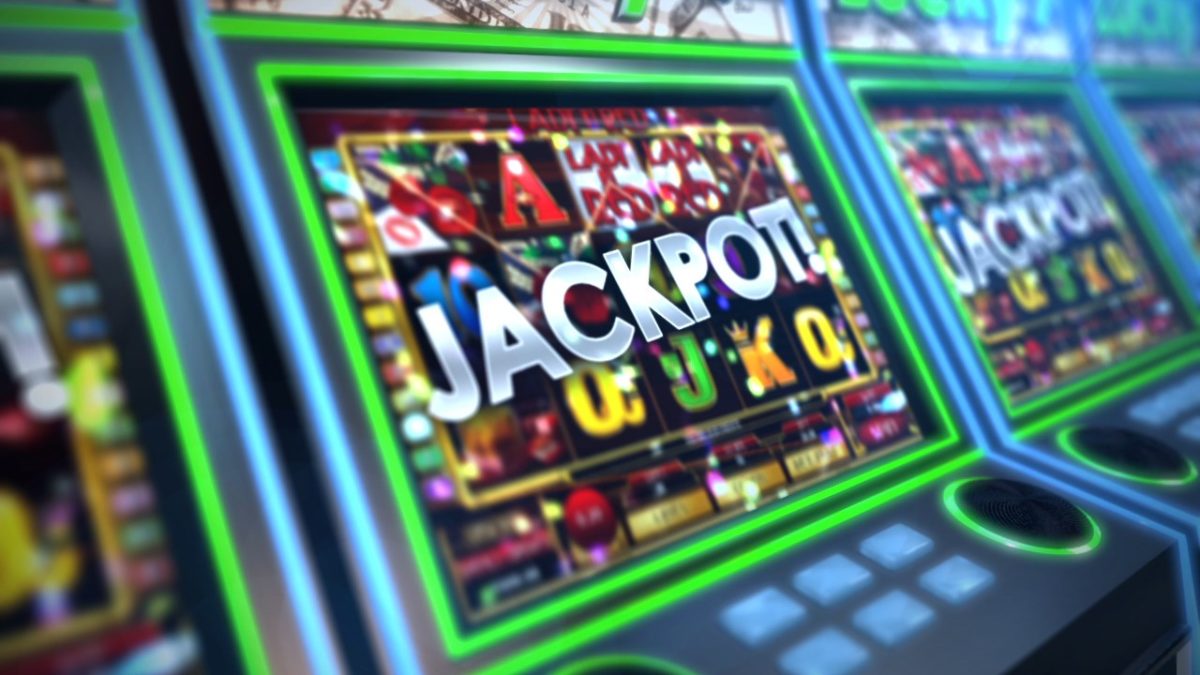
Live Dealer Sessions: Playing Real-Time Games with Human Croupiers bridge the gap between land-based casinos and digital convenience, delivering authentic interactions through high-definition video streams. You join a real table, watch the dealer shuffle and spin, and place chips via an intuitive interface—all without leaving your chair. For the most immersive experience, choose games like blackjack or roulette with multiple camera angles and chat functionality. Strategic live dealer betting hinges on observing the dealer’s pace and reading table trends, which static RNG games cannot offer. Your timing matters more than you think, as late bets are often cut off to keep the game fair. Follow this sequence to maximize your session:
- Set a session bankroll and split it into 10–15 small bets
- Select a table with a lower minimum limit to extend playtime
- Use the stats panel to track dealer patterns and hot numbers
- Press “bet” only after the dealer announces “no more bets” to avoid errors
Sports Betting and Virtual Sports: Placing Wagers Beyond the Casino Floor
Step beyond the reels and tables, and you’ll find placing wagers beyond the casino floor opens a dynamic arena where skill meets split-second action. Sports betting lets you leverage knowledge of teams, players, and live momentum to cash in on pre-match odds or in-play shifts, while virtual sports deliver rapid-fire simulations with results every few minutes, perfect for instant gratification. You can wager on everything from football and horse racing to cyber basketball, tracking real-time stats and adjusting your stakes as the action unfolds.
- Use in-play markets to hedge or double down as odds fluctuate with live performance.
- Focus on niche leagues or virtual stats where you spot value others overlook.
- Set a strict bankroll for each event cycle, treating virtual spins like a single race, not a session.
- Combine accumulator bets across multiple virtual matches to multiply returns without extra risk.
Practical Tips for Managing Your Bankroll and Staying in Control
Set a dedicated gambling budget before you log in, and treat it as a fixed entertainment expense—never as a way to recover losses. Split this bankroll into smaller session limits, and walk away once you hit either a win goal or a loss cap for the day. Use the platform’s pre-commitment tools, like deposit limits and reality checks, to force pauses; these are your first line of defense against tilt. Never chase losses by raising your bet size, as this accelerates variance and erases your edge. Withdraw a portion of any substantial winnings immediately to your main account, separating profit from your playing pool. Remember that a “hot streak” is statistically fleeting, so cashing out modestly during it protects your discipline better than aiming for a jackpot. Finally, avoid gambling while emotionally heightened or intoxicated, as both impair your ability to stick to your pre-set numbers.
Setting Deposit Limits and Time Alerts to Keep Your Spending in Check
Setting deposit limits and time alerts creates a structural buffer between impulse and action, directly curbing overspending before it escalates. Most reputable platforms allow you to cap daily, weekly, or monthly deposits, which forces you to pre-commit to a loss ceiling rather than reacting mid-session. Simultaneously, time alerts—whether pop-ups, sounds, or mandatory breaks—interrupt the flow of play, giving you a moment to reassess whether you are chasing losses or just bored. These tools work best when set while you are calm, not during a hot streak. Pre-committing to deposit limits before logging in is the single most effective way to enforce self-discipline, as it removes in-the-moment decision-making entirely. Adjust them only after a cooldown period, never immediately after a win or loss.
Q: How often should I reset my deposit limits and time alerts?
A: Review them weekly, but only lower—never raise—them during a session. If you find yourself repeatedly hitting the alert, that signals your bankroll plan needs tightening, not extending.
Smart Strategies for Maximizing Your Chances Without Chasing Losses

To maximize your chances without chasing losses, treat each session as an independent statistical event, not a recovery mission. Set a hard stop-loss limit before you start—say, 20% of your bankroll—and walk away the moment it hits, because rational play degrades once emotional debt kicks in. Instead of increasing stakes after a loss to “win it back,” maintain flat betting or slightly lower your unit size, preserving capital for favorable odds windows. Strategic session capping works best: split your bankroll into four smaller blocks and use only one per day, forcing a cool-off period. This way, you capitalize on variance over time rather than forcing outcomes, and your next session starts fresh, unburdened by prior setbacks.
Smart losses avoidance means locking in predefined loss limits, keeping bets flat, and splitting bankrolls into time-blocked segments to prevent reactive chasing.
Recognizing the Signs of Problem Gambling and Using Self-Exclusion Tools
Recognizing when fun turns into compulsion is your first line of defense: if you’re chasing losses, hiding bets from loved ones, or feeling restless when not wagering, these are red flags demanding immediate action. Don’t rationalize a “quick recovery” session—that mindset fuels the cycle. The most effective countermeasure is activating self-exclusion tools, which most reputable platforms offer directly in your account settings. Choose a timeframe that genuinely disrupts your habit—30 days minimum—and pair it with deposit limits that cap your available funds. Blocking your own access isn’t failure; it’s strategic control. Combine these tools with a written list of your triggers to review whenever temptation resurfaces. Your bankroll only survives if your judgment stays sharp, so treat self-exclusion not as punishment, but as a reset button for responsible play.
Mobile Play and Customer Support: Getting the Most Out of Your Experience
To get the most out of your online gambling sessions on mobile, prioritize a stable Wi-Fi connection for seamless live dealer games, and always enable biometric login to speed up access while keeping funds secure. Proactive customer support is your lifeline on the go, so before betting, test the live chat or in-app messaging feature during non-peak hours to gauge response times. Save screenshots of any transaction errors or bonus glitches immediately—support agents resolve issues faster with visual proof. When switching between phone and tablet, ensure your session’s payment method and responsible gambling tools sync automatically.
Never manage a withdrawal dispute or account verification through email alone on mobile; demand a callback or tap-to-call function for urgent cashout problems.
Finally, bookmark the FAQ section offline, as many top-tier support teams update it with fixes for common app-specific bugs.
Playing on the Go with Optimized Apps and Responsive Browser Platforms
For seamless wagering outside your home, optimized mobile casino apps deliver the smoothest performance, using native code to reduce lag during live dealer sessions and slot spins, while saving your preferences locally. Responsive browser platforms, conversely, require no storage space and automatically adjust to your screen’s orientation, which is ideal for quick sessions on shared or borrowed devices. To get the most out of both, enable push notifications for deposit bonuses and ensure your device’s operating system is updated to avoid compatibility glitches with the latest game releases. Q: Which option handles unstable network connections better? A: Browser platforms generally retrieve small, compressed data packets more efficiently, though apps can cache core assets for offline playable demo rounds—so your choice depends on whether you prioritize speed or data efficiency.
What to Look for in a Reliable Support Team: Live Chat, Email, and FAQ Sections
When assessing a casino’s support, prioritize live chat availability around the clock, as delayed responses during a payout issue can sour your entire session. Test the email turnaround—a reliable team replies within hours, not days, with a ticket number for tracking. Scrutinize the FAQ section for depth beyond basic rules; it should cover payment delays, verification steps, and bonus wagering specifics. Avoid teams that copy-paste generic answers or hide contact forms. A dynamic support experience means agents who proactively confirm your account details and offer follow-up solutions without you repeating yourself.
- Live chat response under 2 minutes during peak hours
- Email replies with personalized troubleshooting, not canned text
- FAQ searchable by keyword and updated with recent player issues
- Clear escalation path from chat to senior staff if unresolved
How to Test a Site’s Usability and Payout Speed Before Committing Real Money
Before you risk a dime, put any casino through its paces. Start with the free-play or demo mode to check navigation, game loading times, and mobile responsiveness—clunky menus or laggy spins are red flags. Then, test the cashier with a tiny deposit, like $10, and immediately request a withdrawal. Track the processing time, from “pending” to “paid,” and note if they ask for extra verification documents mid-process. A quick, hassle-free payout on a small sum is your best indicator of reliable payout speed. Also, message live chat with a simple question and time their reply; slow support often mirrors slow payments. This dry run takes under an hour and saves you from future frustration with deadbeat operators.
Sorry, the comment form is closed at this time.